
🇩🇪 バンベルクのミトライ

してWhatsAppを開き — その後
写真を直接お送りください。
ドイツ · イーゴル・ミトライの公共彫刻
ユネスコ世界遺産に登録されたバンベルクの旧市街に流れるレグニッツ川に架かるウンテレ・ブリュッケ(下橋)には、ミトライのチェントゥリオーネ Iが永久設置されています。中世の橋と現代彫刻の対話はバンベルクの象徴的な景観となっています。
主要作品と設置場所
- チェントゥリオーネ I — ウンテレ・ブリュッケ(下橋)· 永久設置
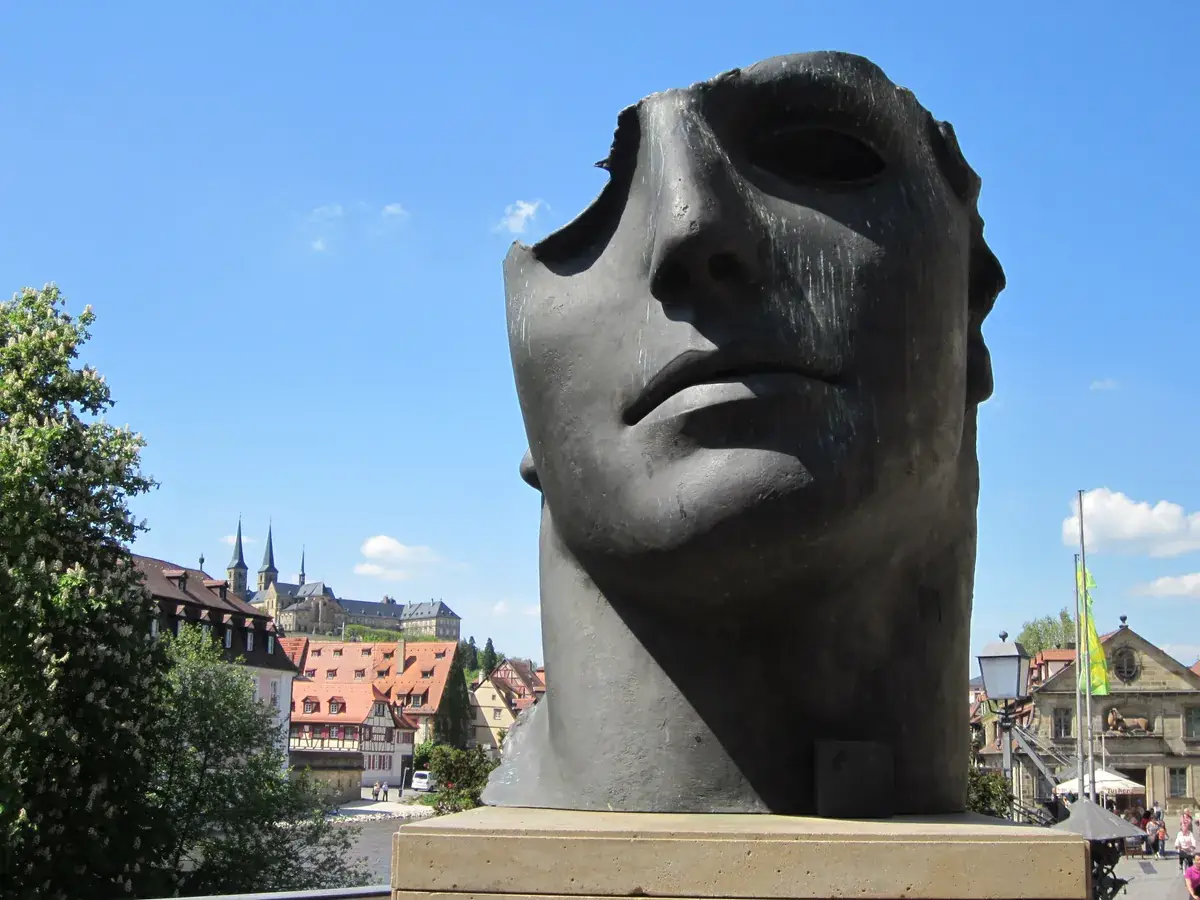

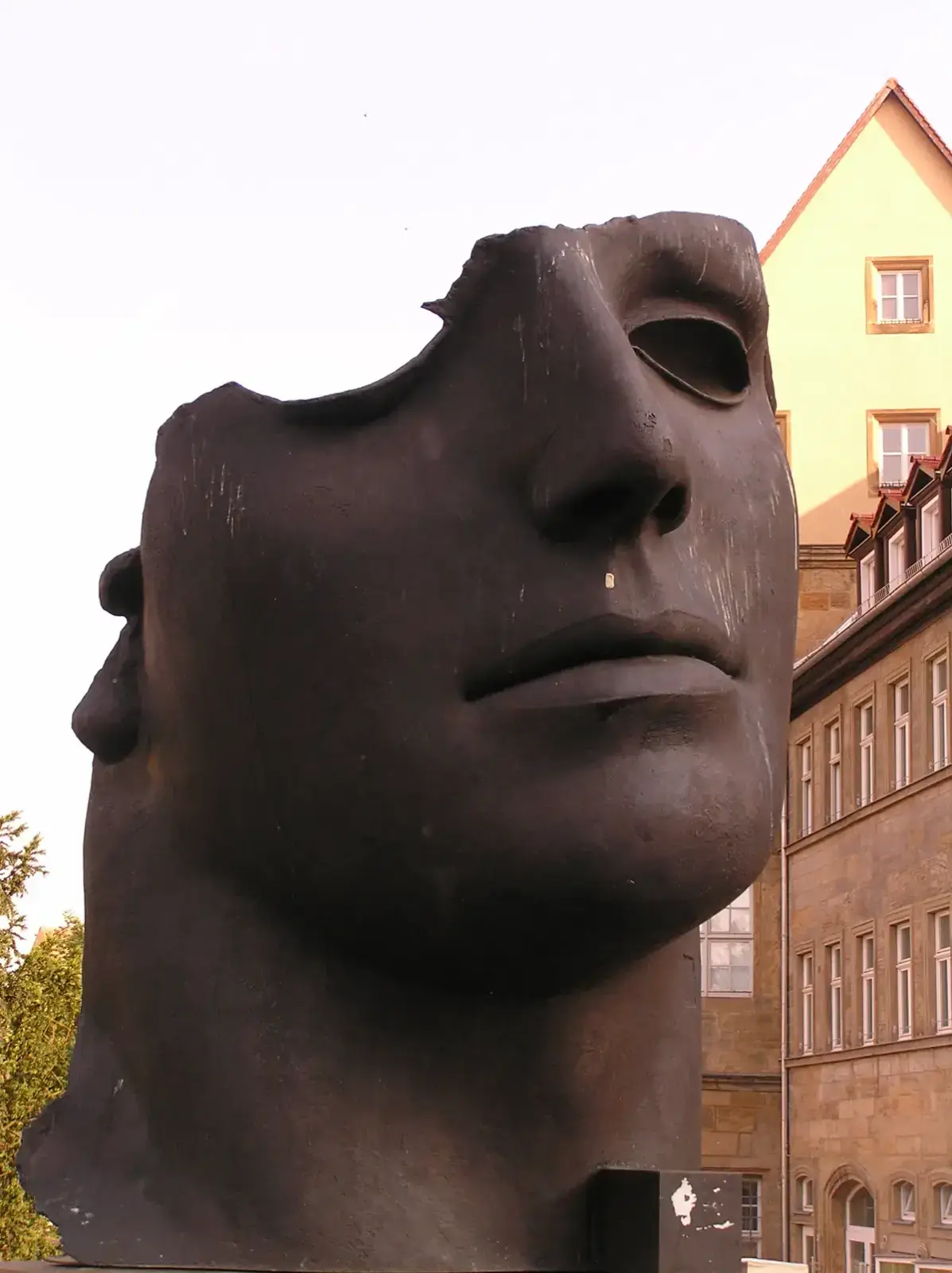

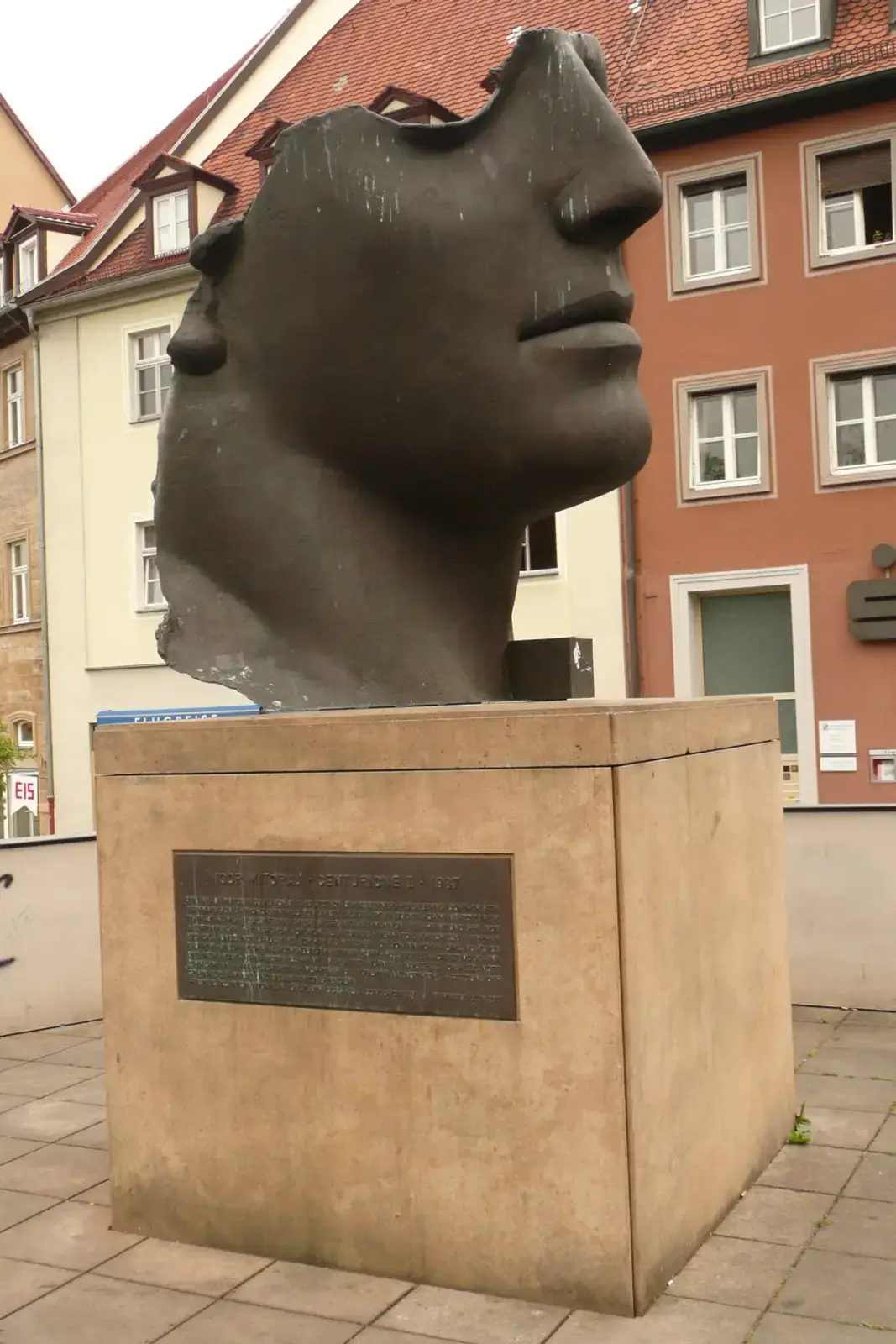

ミトライとドイツのコレクターとの関係は、1998年にシュテティシェ・ギャルリー・ヴュルツブルクで開催された回顧展の後に大きく深まりました。この展覧会は、バンベルクの設置作品ですでに親しまれていた地域の観客に、彼の断片化されたブロンズ語彙を紹介しました。この展覧会からの作品、より小型のケンタウロスの頭エディションを含む、はその後バイエルンの個人コレクションに入り、時折ミュンヘンを拠点とするディーラー、ハンペル・ファインアート・オークションを通じて再登場します。ここでは、コンディションレポートにおいて、鋳造順序と対応する価値を確立する上での鋳造所刻印の重要性が一貫して指摘されています。
バンベルクの文化機関は、ケントゥリオーネシリーズを超えて、ミトライのより広範な作品群への継続的な関心を維持してきました, and the city's collector community has shown particular appetite for his works on paper, which remain considerably underrepresented in auction literature relative to his bronzes. Mitoraj produced substantial bodies of drawings and pastels throughout the 1980s and 1990s, many depicting the same fragmented classical heads and torsos that informed his sculptural practice, and these works have appeared with increasing frequency at regional German auction houses including Karl und Faber in Munich, where signed pastels have achieved between €4,000 and €18,000 at recent sales. Provenance connecting a work to a German private collection established before 2000 tends to support stronger bidding, partly because Mitoraj's documented presence at German gallery openings and civic installations during that decade provides a coherent collecting narrative. The Städtische Galerie Bamberg holds archival material related to the Untere Brücke installation that serious researchers can consult by appointment, offering documentation of casting specifications and correspondence with the city's cultural administration that is rarely available for his other permanent European placements.
この作品について質問がありますか?
AI アシスタントに質問 — コレクションのページに基づき、あなたの言語で回答。
ミトライ作品をお持ちですか?
ワルシャワのプライベートコレクターが直接購入します。オークション手数料なし。迅速・秘密厳守。
その他のミトライ作品も歓迎 — あらゆる主題、状態、フォーマット。
ミトライの作品を売却しませんか? 売却ページをご覧ください →